




















By UCA News reporter
Ahead of a crucial national election in Thailand, Catholic bishops have urged people to remain vigilant against fraud and corruption, warning that such practices can undermine democracy and destroy the nation.
In a Jan 27 pastoral letter, the Catholic Bishops’ Conference of Thailand (CBCT) described the Feb 8 national election as “a crucial event” and said the Church stands “in solidarity with Thai society.”
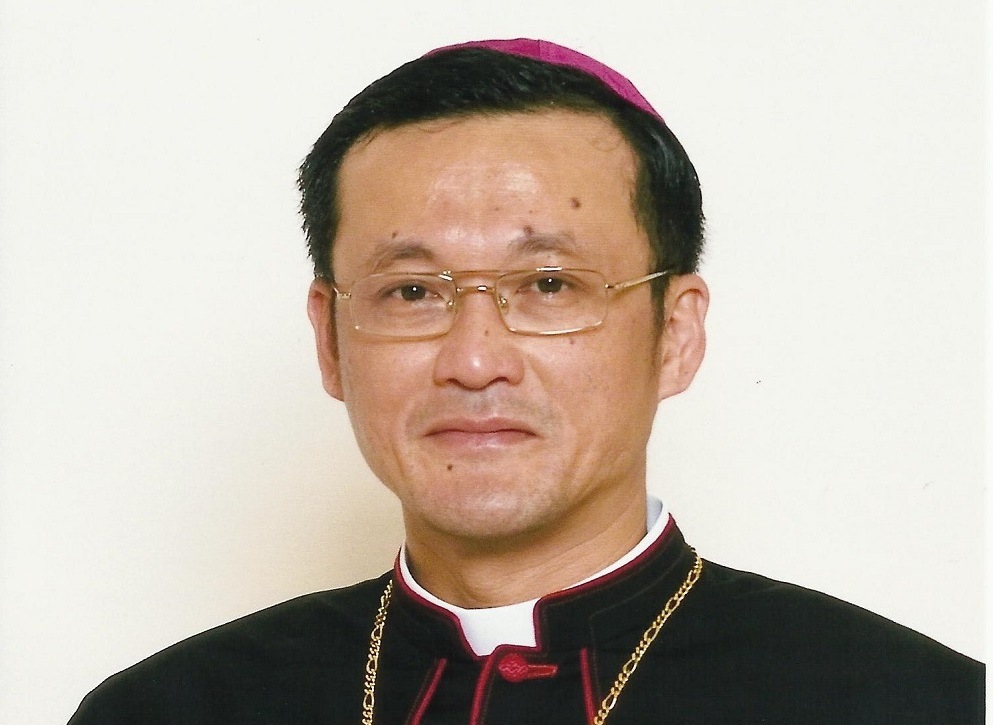
The letter, signed by Archbishop Francis Xavier Vira Arpondratana of Bangkok, the bishops’ conference president, reaffirmed the Church’s political neutrality, saying it remains “independent from any political party.”
Despite that neutrality, the Church cannot ignore its responsibility as a “moral force” and “social conscience” in ensuring that elections are conducted with truth and justice, the letter said.
Archbishop Arpondratana said participation in elections is a moral obligation aimed at the common good.
He urged voters to choose candidates who respect human dignity, prioritize the common good over personal gain, value local communities and show concern for the poor and vulnerable.
The letter cautioned politicians and government agencies against corruption.
“Even small acts of vote buying or fraud are the roots of corruption that destroy a nation,” the archbishop said, describing political corruption as a betrayal of the people and a grave violation of social justice.
Thailand, a constitutional monarchy, has a long history of political instability marked by military coups and weak civilian governments.
Despite regular elections, rights groups have described the country as a “flawed democracy” due to the influence of the monarchy, military and judiciary.
The upcoming election follows years of political turmoil, including the dissolution of opposition parties, shifting alliances and the collapse of the previous government last year.
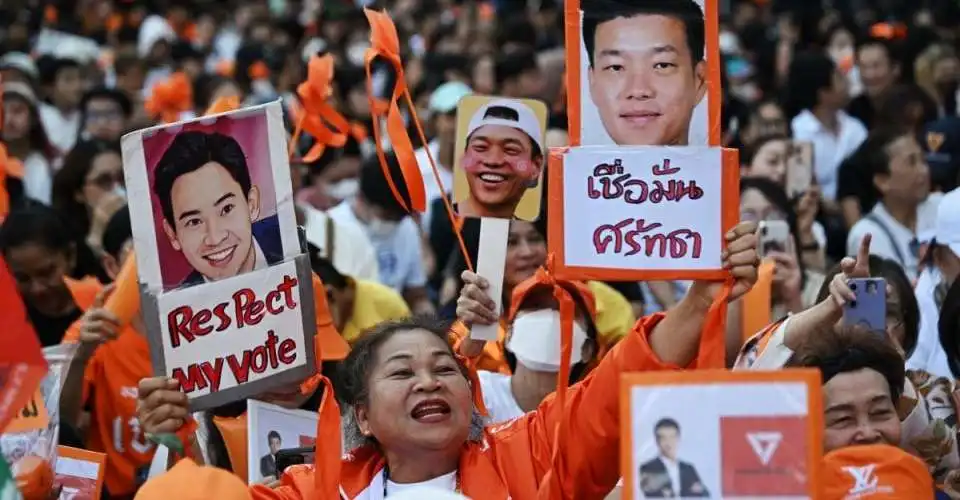
The political landscape shifted sharply in recent years following a massive, student-led anti-monarchy movement that gave rise to the Future Forward Party (FFP) and later its successor, the Move Forward Party (MFP).
The MFP won the most seats in the lower house in the 2023 national election but was blocked from forming a government by the Senate, which is dominated by pro-royalist and pro-military lawmakers.
The Constitutional Court later dissolved the MFP, citing violations of electoral law. Its predecessor, the FFP, was similarly dissolved by the court in 2020.
The rulings led to a surprise alliance between pro-royalist groups and the Pheu Thai Party, which formed a government in 2023.
That government collapsed after the outbreak of a Thai-Cambodia conflict in July last year. A subsequent phone-leak scandal resulted in the removal of Prime Minister Paetongtarn Shinawatra of the Pheu Thai Party.
Anutin Charnvirakul, a business tycoon and leader of the conservative-populist Bhumjaithai Party, was elected prime minister last September.
He dissolved parliament on Dec 12 and called a snap election.
Politicians from the now-dissolved MFP have since regrouped under the People’s Party, which observers say is a strong contender in the upcoming polls.
US-based think tank Freedom House downgraded Thailand’s status to “Not Free” in 2025 from “Partly Free,” citing the dissolution of the main opposition party and the repatriation of activists, refugees and asylum seekers to countries where they faced ill-treatment.
The Church leader also stressed the need for electoral participation. “Exercising the right to vote is not merely a legal duty, but a moral requirement that all citizens must collectively fulfil for the common good,” he wrote.
Christians account for less than 1 percent of Thailand’s population of about 66 million. – UCA News