









Herald Malaysia
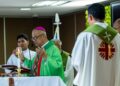
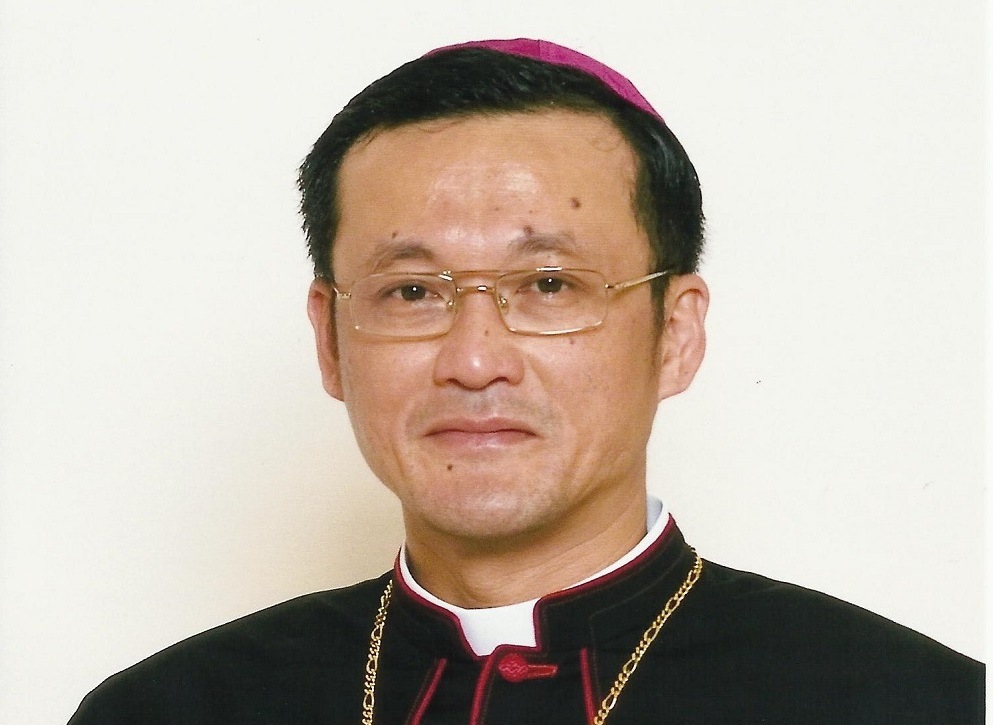
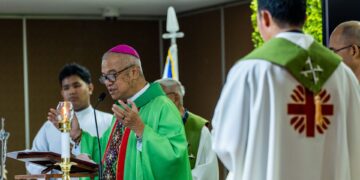
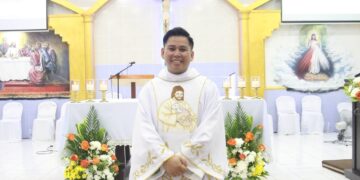
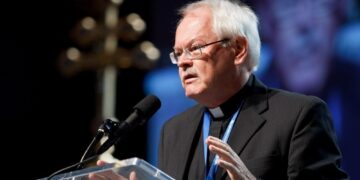
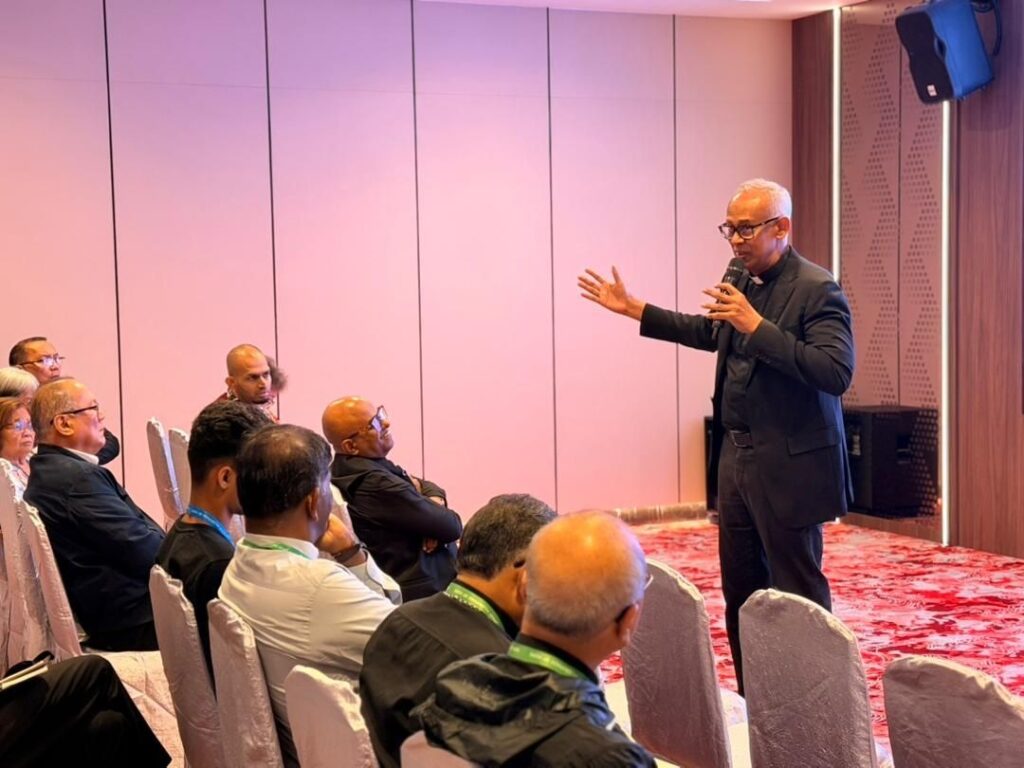
PENANG – The Great Pilgrimage of Hope 2025 featured an Impact Session with Father Clarence Devadass, who spoke candidly about synodality and its place in the life and mission of the Church. He reminded participants that this was a time of listening, sharing, and discerning together. The aim was to leave with conviction: each participant must ask, “What can I do when I get back?” Synodality, he stressed, is about becoming agents of change in our homes, parishes, dioceses, and communities.
Father Clarence explained that synodality is not a “band-aid” solution to all the Church’s problems. It is not a project, a management programme, or a strategic plan. Rather, it is a spirituality, a way of being Church.
“Since 2021, the word “synodality” has been added to many events and documents, but often without real change in practice. True synodality requires conversion: of mindsets, of relationships, of processes, and of structures. It is not about adding more burdens to priests or parish leaders, but about infusing the spirit of synodality into what is already being done, whether in Eucharist, parish meetings, or assemblies.”
He highlighted three pillars of synodality: communion, participation, and mission. “Communion calls the faithful to unity and to journey together without leaving anyone behind. Participation invites every baptised person to recognise and share their gifts, overcoming exclusion and embracing diversity. Mission reminds the Church that it exists to evangelise, bringing God’s love especially to those at the peripheries. Synodality, therefore, is not an end in itself but a pathway to transformation and conversion.”
Listening and discernment are central to synodality.
Father Clarence emphasised the importance of listening to one another and to the Holy Spirit, suspending judgement and resisting the urge to provide instant solutions. “Synodality is not parliamentary democracy or majority rule; sometimes the Spirit speaks through the minority voice.” He added that what matters is the process of decision-making, marked by genuine consultation and openness, not token gestures. “Consultation must be sincere, not for show, and must engage the faithful meaningfully in the life of the Church.”
He acknowledged the cultural barriers that make synodality challenging in Asia. “Linguistic diversity complicates even the translation of the word “synodality.” Deep respect for hierarchy can limit accessibility to Church leaders, while patriarchal structures continue to diminish the role of women. Silence and avoidance are also common, with faithful preferring to wait out a parish priest’s tenure rather than engage in dialogue.” He added that these realities must be confronted if synodality is to take root in the region. He noted that servant leadership requires humility and accessibility, not distance or privilege.
Synodality, Father Clarence reminded participants, is not time-bound to 2028 nor dependent solely on Pope Francis. “It is a renewal of the Church’s identity as the People of God. Through baptism, we all share in the threefold ministry of priest, prophet, and king, making every member a stakeholder in the Church’s mission.”
He added that synodality strengthens the Church’s witness, builds unity in diversity, and responds to contemporary challenges such as declining attendance, questions of relevance, and the credibility of the Church in the face of scandal. “It is not about changing doctrine, but about expressing the Church’s identity as the People of God, discerning together what the Spirit is saying.”
Father Clarence also spoke of the need to expand the tent, echoing Pope Francis’ call, highlighting that the challenge is not only to welcome more people, but to open the hearts of those already inside.
“Too often, insiders resist welcoming those who are different, waiting until they are “perfect” before allowing them in. Synodality calls for universal participation, recognising diverse gifts and talents, and moving the faithful from passive recipients to active agents of faith. It is about dialogue, communication, and engagement, both within the Church and with people of other religions and those at the margins.”
He added that synodality is about moving forward in hope, transforming passive recipients into active agents of faith. “It expands the tent, not only to welcome more people but to open the hearts of those already inside.” He stressed that synodality is about mission, communion, and participation to become a Church that listens, discerns, and walks together.
He reminded participants to carry this spirituality home, embodying synodality in daily life and becoming agents of change in their communities. The impact session concluded in a beautiful synodal action of the participants of the impact session saying the Lord’s prayer in their own languages representing the 30 countries present. – Herald Malaysia