






By Fr Stephen Chin
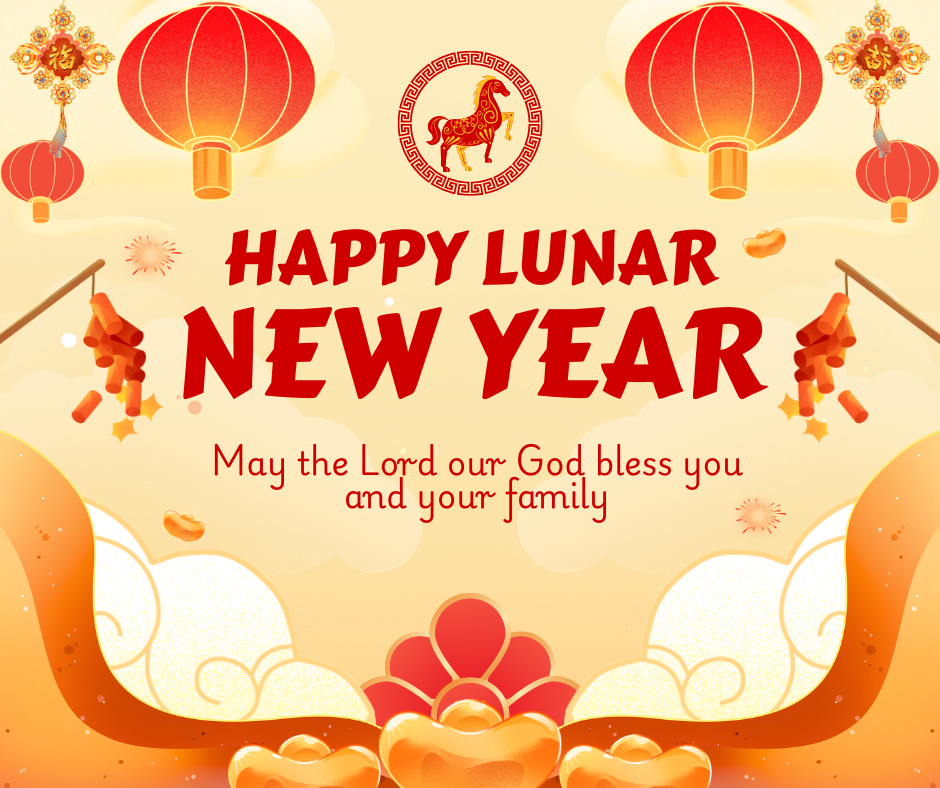
The horse in the Chinese tradition
(1) The horse is reckoned as the seventh of the 12 terrestrial branches.
It is written in ancient classical script as a pictorial symbol of the actual horse in this manner pronounced as mǎ. It is now written in a simpler form: mǎ.
The horse is classed under the element of fire (火= fǔo) and has its place in the south (南= nǎm). In the trigrams, the symbol 三 chien (乾) represents the male element (陽= yang) and it symbolizes heaven, horse, tireless strength and south. Let us see a little of what has been written about the horse.
(2) The Great Chinese materia mediea : “Pen Tsao” (本草)
The Great Chinese materia medica: “Pen Tsao” which has 24 sections, describes the history and uses of the horse.
By the way, to think of it, the horse is even considered a delicacy even in our own country. I have heard of fine “satay” being barbecued from horse meat! Believe it or not! And horse meat fetches a very good price, unofficially priced, of course. I have never personally tasted it myself, but it must be very tasty and delicious as I gathered from those who have eaten it!
A section of the “Pen Tsao” (本草) deals with the horse as food or medicine.
• A pure, white horse is very good for medicine.
• The liver is said to be poisonous.
• The heart, dried and powdered and mixed with wine is good for forgetfulness.
• The warts of the horse above the knees, which are called the “night eyes” to go by at night, are useful for toothache.
• The ashes of the skull mingled with water and the head of the skull used for a pillow is a cure for restlessness and hysteria.
The above few examples suffice. Let us turn to the “Horse classic”.
(3) The Mǎ Ching (馬經) or Horse Classic
This Horse Classic was written in the 17th century
A. D. It describes vividly the 32 distinguishing marks of a horse. all dealing with certain symbolic meaning for the human soul to learn from t he horse to be a better human being. Chinese seem to put meaning to nearly everything in a symbolic way which is generally very educative and moral uplifting in spite of a few superstitious traits here and there.
Read full story in Catholic Sabah Vol 69 No 02 dated Jan 18 2026.