






Herald Malaysia
KUALA LUMPUR – Are our children safe in schools, churches, and other social institutions?
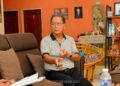
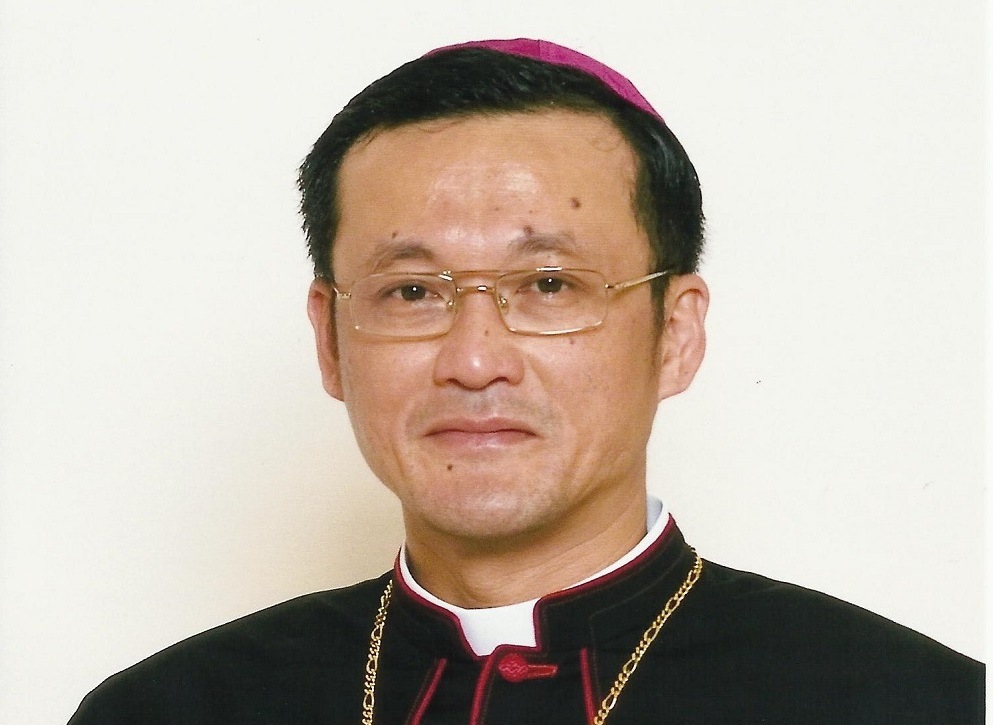
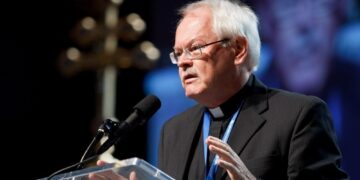
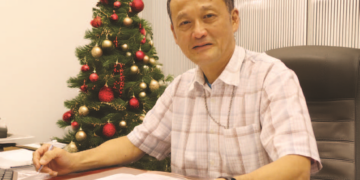
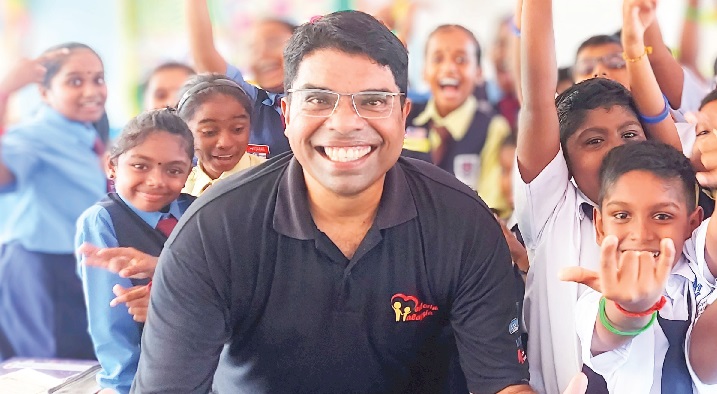
This is a question Christian parents are increasingly asking, says Dr Brendan J. Gomez, pic, Consulting Psychologist, Associate Professor, and Christian parent.
In an interview with HERALD, Dr Gomez said the disturbing rise in cases of child suicides, rape, and even murder — both locally and abroad — has shaken the confidence of parents and faith communities alike.
“In a society where we grew up feeling safe, it seems our children do not have the same luxury,” he said. “Today, there are multiple risk factors in their social environments, and one consequence is psychological distress in various forms. We can’t teleport them back to our safer past — much as we wish we could — so we must address these risks head-on.”
He stressed that protecting children is not solely the responsibility of “the authorities,” but of the entire ecclesia — the assembly of the faithful. “This is not someone else’s problem,” Dr Gomez said. “The Body of Christ must be in action. Every one of us has a role to play.”
Empowering bystanders and overcoming apathy
Dr Gomez explained that many tragedies could have been prevented if bystanders — peers, friends, or adults — had known how to act.
“We need to train both adults and children in safe and effective bystander intervention,” he said.
“Teach them the courage to say, ‘What you said isn’t okay,’ or to report a worrying post or conversation to a trusted adult. We should frame this as courageous love for a friend in potential trouble.”
He emphasised that communities must foster openness and the willingness to act when something seems wrong.
Revitalising family ministries
Describing the family as “the primary functional cell of society and the domestic Church,” Dr Gomez underscored the need to strengthen parental support systems.
“Parents themselves are often lost and afraid,” he noted. “Parenting workshops are crucial — focusing on communication skills for today’s families, fostering faith in a challenging world, and understanding children’s psychological development.”
He added that churches must also provide greater support for non-traditional families, such as single parents, and offer ongoing programmes instead of sporadic enrichment weekends.
“A strong, loving, and open family is the child’s first and greatest fortress,” he said.
Building a community of mentors
Dr Gomez called for parishes to become “networks of extended family,” where every adult takes an active role in the formation and care of young people.
“We must know the children in our communities,” he said. “We should create a culture where it’s normal — even expected — for any adult to gently mentor a child in a public space, or to offer a word of encouragement to a struggling parent or child. We must rebuild the village it takes to raise a child.”
Seeing with the eyes of Christ
Dr Gomez reminded Christians that every human life is sacred, echoing the Catechism of the Catholic Church (CCC 2258): “Human life is a sacred gift from God that no one can claim the right to destroy.”
“Let us look upon each child with the eyes of Christ and ask, ‘How does this unique, irreplaceable soul need to feel safe, known, and loved?’” he said. “The answer, lived out in practical ways, will save our children from the next preventable tragedy.”
Concluding with a reflection from St John’s Gospel — “The light shines in the darkness, and the darkness has not overcome it” — Dr Gomez urged the faithful to respond with “relentless, intelligent, and loving commitment.”
“We must be the healers of wounds, the builders of fortresses for the spirit, and the watchmen on the walls,” he said. “Together, we can make a difference.” – Herald Malaysia