























By Daryl Grigsby
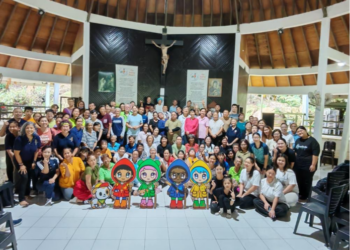
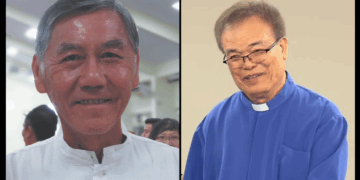
Both Pope Francis and now Pope Leo XIV have emphasized mercy and encounter with those on the margins of society. California prisons — located often in isolated locations and serving individuals forgotten by society — exemplify the neglected margins. In December, I had the privilege of co-facilitating a four-day retreat for 40 Catholic chaplains serving state prisons in California. The event was held in Santa Cruz, California, and represents one of the only annual opportunities the chaplains have for renewal and rejuvenation.
In many unexpected ways, as co-facilitator I benefitted from the experience as much, if not more, than the prison chaplains. I learned about the challenges of prison ministry and about life for the incarcerated, and was inspired to enhance my own vocation as a writer and community activist.
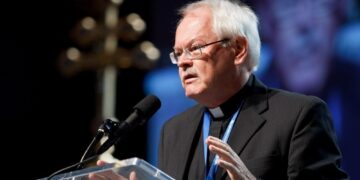
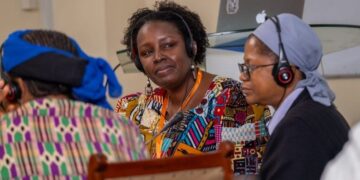
The leader of the retreat was Sr Theresa Harpin of the Sisters of St Joseph of Carondelet. Sister Theresa is also the founder and director of Restorative Partners, an organization providing housing, employment, counseling and support for the formerly incarcerated. Joining the chaplains was the chair of the California Catholic Conference’s Restorative Justice Committee, Bishop Joseph Brennan of Fresno. His active presence in the sessions was a welcome gift to the retreatants.
I was struck by the diversity of prison environments in which the chaplains served. I was not aware of the number of medical, hospice, psychiatric and mental health elements in the prison system, and it was clear that the individuals they serve represent a wide spectrum of challenging situations, including those convicted of murder, those on death row, people with psychiatric conditions and those needing significant medical or hospice care. I was struck by the diversity of the chaplains’ gifts and backgrounds. Many of them were immigrants or the descendants of immigrants.
Continue reading in NCR Online