





















By Fredrick Nzwili
Religious leaders asked for Christmas gifts that protect the environment from government representatives at a United Nations environment meeting.
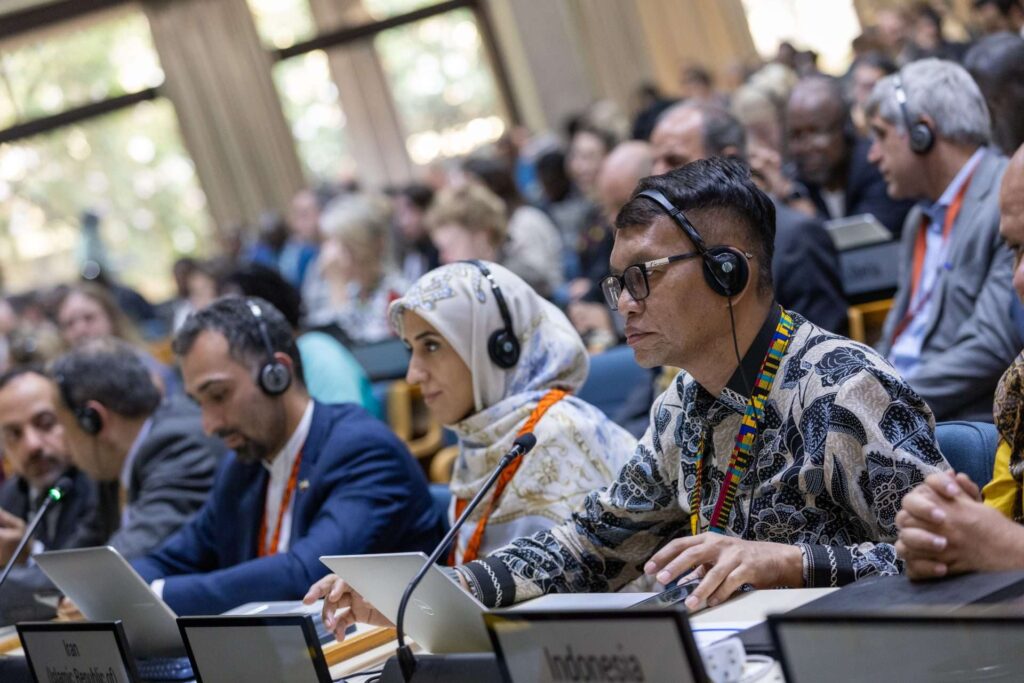
The seventh UN Environment Assembly (UNEA-7) met in Nairobi on Dec 8-12, under the theme “Advancing sustainable solutions for a resilient environment.”
“We all want the same thing: a better future for ourselves and families. This means stable climate, safe clean and sustainable environment, and pollution free future,” said Inger Andersen, executive director of the UN Environment Programme.
UNEA is the top decision-making body on environment issues. While addressing climate change, nature and biodiversity loss, and pollution and waste crises, it sets the global environmental agenda and develops international environmental laws.
During discussions on environmental sustainability, Ashley Kitisya, Laudato Si’ Movement’s Africa Programme Manager, said that during Advent faiths were looking at Christmas giving through the lens of the three planetary crises.
“We can choose gifts that honour both people and the Earth,” she said, voicing faith groups’ concerns about overconsumption, waste, and environmentally harmful practices during the Christmas season.
Kitisya specified plastic pollution, food waste and unnecessary energy use spike during the festive season.
“Single-use plastics and unnecessary packaging can be avoided. Promoting locally made, durable, or upcycled gifts reduces pollution and cuts the carbon footprint of Christmas shopping,” she said.
The Revd Rachel Mash, the environmental coordinator of the Anglican Church of Southern Africa reminded the leaders that Advent is a time of hope in the darkness, but it also a time to put that hope into action.
“A challenge for all of us … we’re buying Christmas presents. Why not purchase solar lamps as Christmas presents for young people? Make a difference,” she said at a side event on the renewable energy transition.
“In small ways, we can put solar panels onto our churches, we can put them in our homes, we can show to people that we can make a difference.”
The assembly discussing 15 draft resolutions, also focused on other issues including, saving the world’s glaciers, tackling the massive seaweed blooms and reducing the impact of artificial intelligence on the environment.
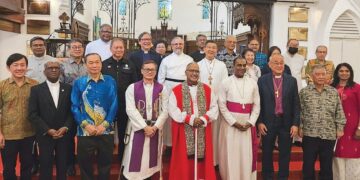
In their own statement, the faith leaders emphasised their role as custodians of the values, ethics, moral courage and global reach needed to fight environmental degradation.
“Integrity is key to ethical leadership; let us hear the call of Mother Nature and live a life that embodies our teachings and guides others,” said their statement, titled “A call to Action-Faith for Resilient Planet”.
They urged collaboration to build peace in areas damaged by conflict and environmental degradation, and encouraged states to focus on ethics to ensure they meet their commitments.
The environmentalist Fr Iyan Daquin OMI warned that when the ethical foundations are lost, tragedies follow.
“This is the only voice of our conscience that will direct us on how to behave in this ,” Daquin told The Tablet. “Development without any conscience, or any ethical responsibility or discipline, is chaos.” – The Tablet