










Herald Malaysia
KUALA LUMPUR – Sometimes, inclusion begins with something as simple as learning to say “hello” with our hands. A small gesture can open a conversation, begin a friendship and reassure someone that their presence matters.
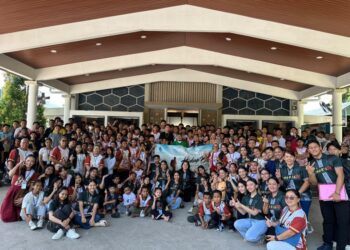
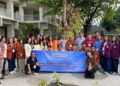
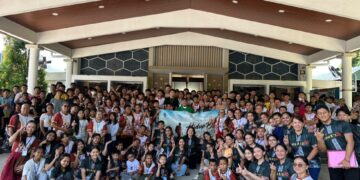
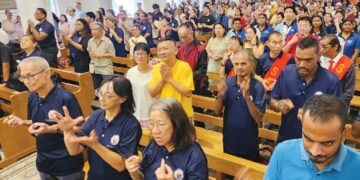
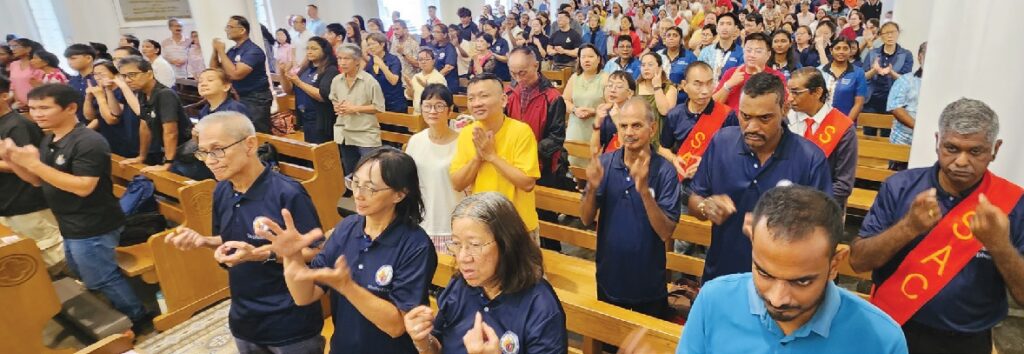
That spirit shaped the celebration at the Church of St Anthony on Sep 27, when the Catholic Ministry for the Deaf (CMfD) gathered to mark the International Day of Sign Languages (IDSL) 2026.
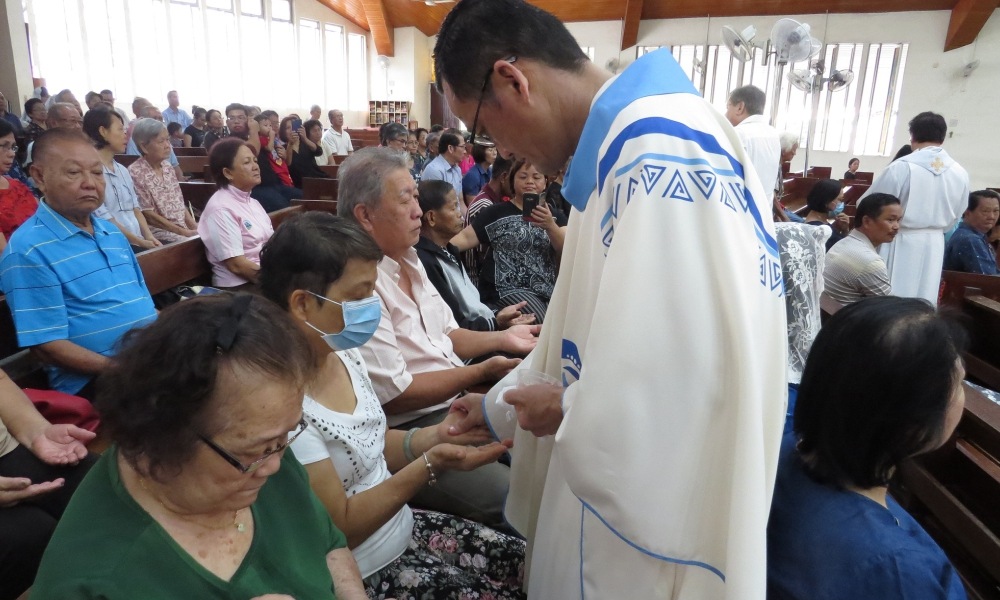
The celebration began with the Rosary, led in sign language by Boniface and Raymond. Parish priest, Fr Clarence Devadass celebrated Mass, with sign language interpretation by Fr Michael Chua, Ecclesiastical Assistant for CMfD. Fr Michel Dass and Fr Michael Fadamykidoko concelebrated.
An exhibition on Deaf culture and the Deaf community was held in the lobby of CahayaSuara, while a presentation on IDSL took place in the auditorium. Members of the Deaf community, Gui Chee Khiong and Veronica Cornelius, shared their experiences, challenges and journeys of resilience. Gejaletchumi and Ayappan also presented a short skit.
For the Deaf community, sign language carries culture, identity and the freedom to express thoughts, feelings, faith and dreams. This year’s theme, Declaring Deaf People’s Human Rights, calls communities to ensure that Deaf people can participate, contribute and lead, with barriers removed from education, employment, healthcare, Church life and society.
The importance of that responsibility emerged through Gui’s sharing.
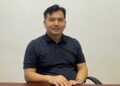
Born in Selangor, he faced significant challenges from infancy. A serious fever shortly after birth affected his hearing and physical development, and he needed physiotherapy before he could walk. Throughout these difficulties, his parents remained a constant source of love and support.
His education brought further struggles. He experienced bullying and had to repeat primary school before continuing his studies. Later, an opportunity to pursue his SPM ended when the absence of sign language interpreters and teachers who could sign prevented him from following the lessons.
His experience showed how an opportunity can remain beyond reach when the support needed to access it is missing.
Gui went on to work in several jobs and continues to seek greater independence. Through these challenges, he has held firmly to his faith.
After discovering CMfD in Kuala Lumpur, he joined RCIA with sign language support in 2013 and was baptised in 2014. Today, he remains active in the Catholic community, drawing inspiration from Jesus.
“Never give up. Continue with hope, keep the faith, and trust that God will guide you,” he encouraged those present.
Veronica, a CMfD sign language interpreter who is herself hard of hearing, reflected on the importance of accessible communication.
What began as curiosity about sign language grew into a deeper understanding of Deaf culture and community. Along the way, she recognised an “unseen gap”: the distance created when people cannot communicate with one another.
Communication allows us to learn, build relationships and share what is in our hearts. When it is inaccessible, misunderstandings grow, opportunities are lost and people can feel isolated even in a crowded room.
Deaf people bring ideas, skills, creativity and aspirations to their communities. Making communication accessible allows those gifts to be recognised and shared.
Sign language carries emotion, humour and personality, with its own grammar and structure. Learning a few signs is a valuable beginning, but a conversation also requires us to understand the response.
For families with Deaf children, this can have a profound impact. Pa-rents who learn sign language open a way to understand their child’s experiences, worries and hopes. They make room for the everyday conversations through which affection and trust grow.
Imagine having something important to say and being unable to share it with the people you love most. The willingness to learn offers a child a powerful assurance: what you have to say matters to me, and I want to understand you.
Such love also has a place in parish life. Sign language interpretation, captions, clear visual information and greater awareness can help make churches accessible. Listening to Deaf people themselves enables communities to understand what meaningful participation requires.
A parish grows stronger when every member can pray, learn, serve and help shape its shared life. Each person brings gifts that the whole community needs.
Closing the unseen gap begins with a willingness to understand. As we learn to receive one another’s stories, our hands can help express what our faith asks us to live: every person is precious to God, and every person has gifts to share. – Herald Malaysia