


















By Aili Winstanley Channer
The Jubilee Garden Project, led by the Ecological Conversion Group and the God Who Speaks initiative of the Catholic bishops’ conference of England and Wales, spans the eight years from last year’s Jubilee of Hope to the Great Jubilee of the Resurrection in 2033.
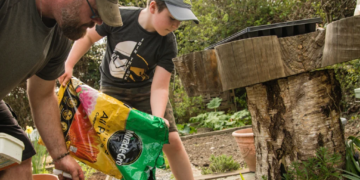
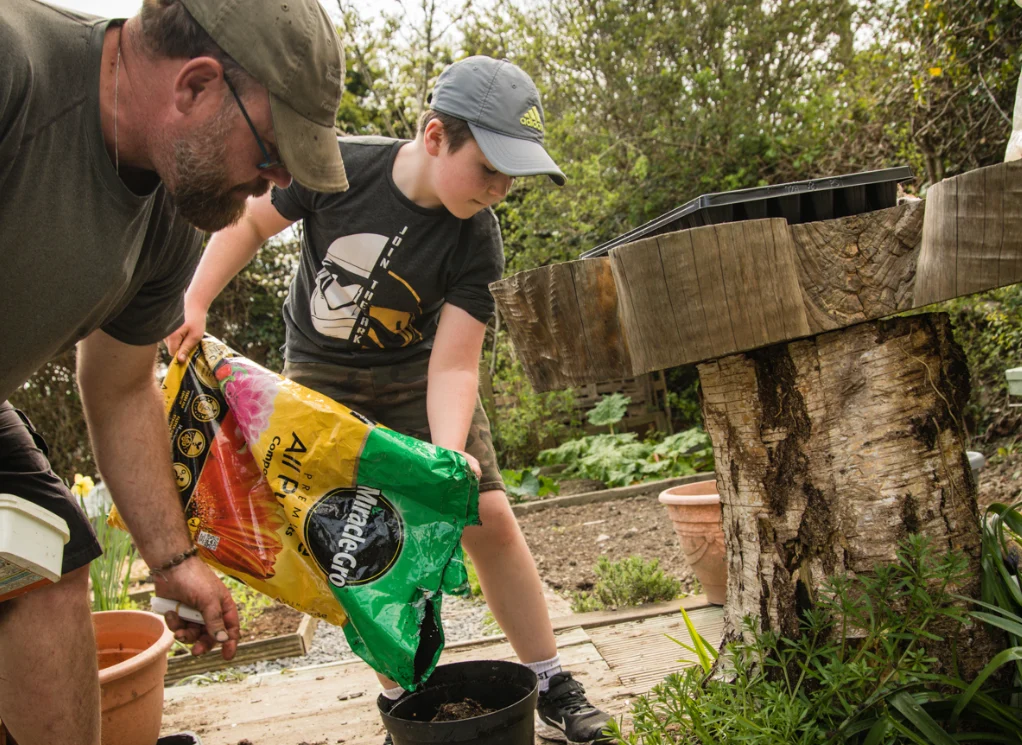
Participants can get involved in ways ranging from planting a literal garden to making commitments to hear the cry of the poor and the cry of the Earth in other tangible ways.
This might mean using a kitchen or parish hall to help the community, or fighting for local children to have better opportunities access to the outdoors: “The key to gardening is to work with what you have got. Whatever you do, make some clear resolutions.”
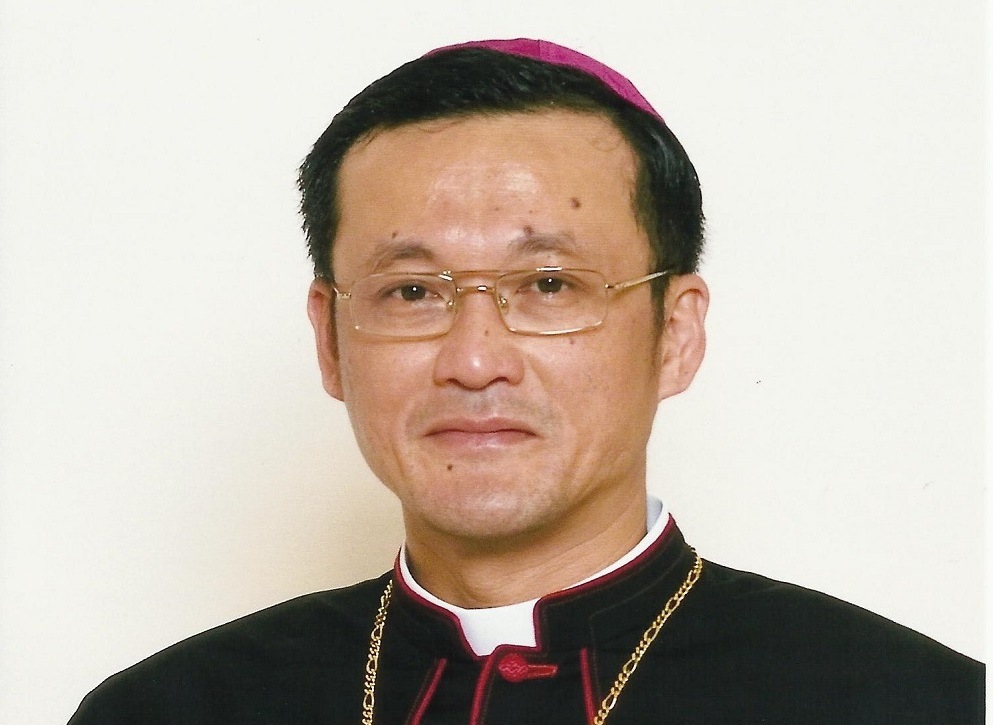
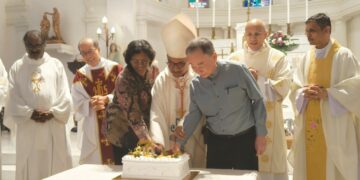
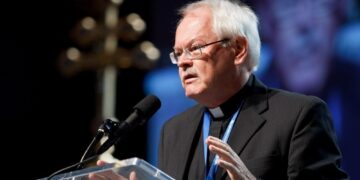
Bishop John Arnold, lead bishop for the environment for the bishops’ conference, blessed the initiative at its launch event.
“The purpose is to offer a spiritual and practical way ahead for us within our faith encounter with the world that surrounds us and of which we are guardians,” he said.
“To be authentic and true, faith needs to embrace the practical reality of care for our brothers and sisters and for the wonder of creation that God has entrusted to us. The ideas and proposals of this project challenge us and help us to care for our common home through our faith.
“Each and every one of us has a part to play; we must never think that what we can do as individuals is insignificant. There are many ideas that we can follow in the context of our own homes, schools, parishes and community spaces.
“Largely through ignorance, we have failed to care for the common home that God has entrusted to us: we have exploited the creation placed in our care. Renewing our hope, we can repair the damage and restore the beauty of our world for future generations.”
John Paul de Quay, founder of the Ecological Conversion Group, explained: “The project invites participants to transform spaces available to them into places for prayer and wildlife. It’s an invitation to become friends of Jesus and his creation through gardening.
“A jubilee is a time to mend relationships with God, each other, and the Earth. To ask yourself: where are you in your relationship with God and creation, where are you in your relationship with the poor and with the Earth?
“This project concentrates on physical space and asks what is needed there, to turn them into spaces of welcome and encounter for all of God’s creatures. Each parish, school, retreat centre, place, person, community is unique: God’s will has many varied and beautiful expressions.
“The key point is to start small like the mustard seed but to start thinking about the longer future as well. What better time than now? We have eight years to work out what 2033 will look like. Mary Magdalene meets the risen Christ as the gardener.
“A garden allows us to be together, to learn to skills, to learn about the world around us. It’s a community activity by and for the community.”
De Quay said the project’s website will serve as a hub for information, stories, and ideas, providing interested communities with all the information they need to get going.
Participants will be able to register their jubilee garden project on the website, with a map. There will be an online network and a newsletter to create community on a bigger scale, possibly with the project translated into different languages to create an international movement.
The project uses the biblical figures of Mary, Martha and Lazarus as guides for how to create a community that “listens at the feet of Jesus, cares for others and is an inspiration in uncertain times”.
Suggestions for a “Mary garden” included a peace garden, a prayer labyrinth, a shrine, or an open church. A “Martha garden” could be an allotment to serve as a place of community, support those in need, improve physical and mental health, and learn crafts like basket making.
A “Lazarus garden” would be a home for wildlife to learn more about God’s wonders and creatures: this might include meadows, hedgerows, window boxes, bans on pesticides and herbicides, a plant swap station, or even just vines on a wall.
Fleur Dorrell, biblical apostolate manager for the bishops’ conference, said she was “delighted” to partner with the Ecological Conversion Group for this “critical and creative initiative” to “encourage dioceses to create sustainable gardens as a response to the climate crisis.”
“The scriptures have plenty to say about creation care, and it begins and ends with gardens. Isaiah prophesies not only all people but also all things will be reconciled to God. From Genesis to Revelation, gardens are very powerful places of encounter and transformation.
“God’s Word offers a variety of models for shared life for people, animals, and plants. There are over a 120 named species of animals, including fish and insects, in the Bible.” – The Tablet