



















By UCA News Reporter
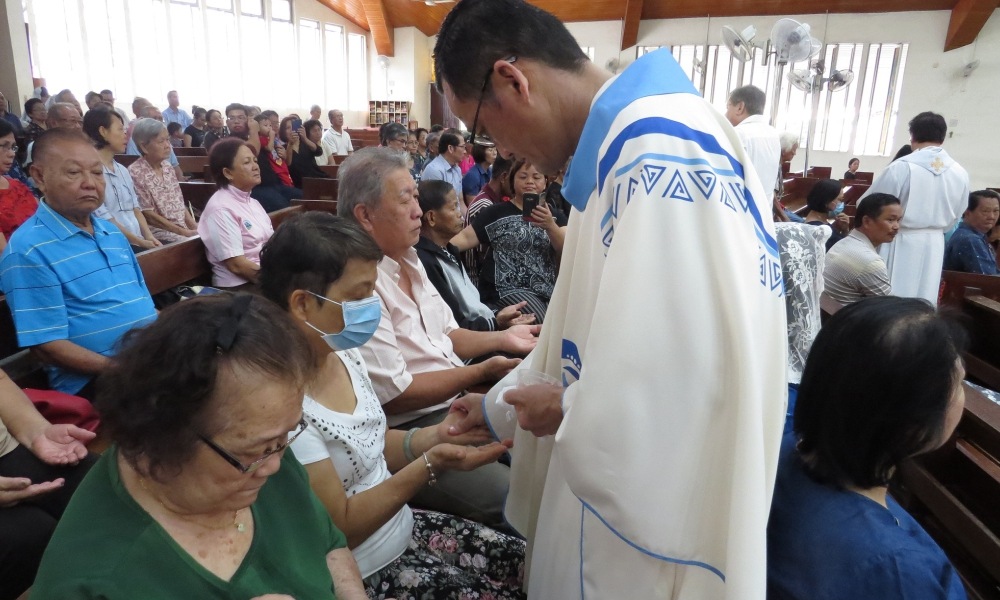
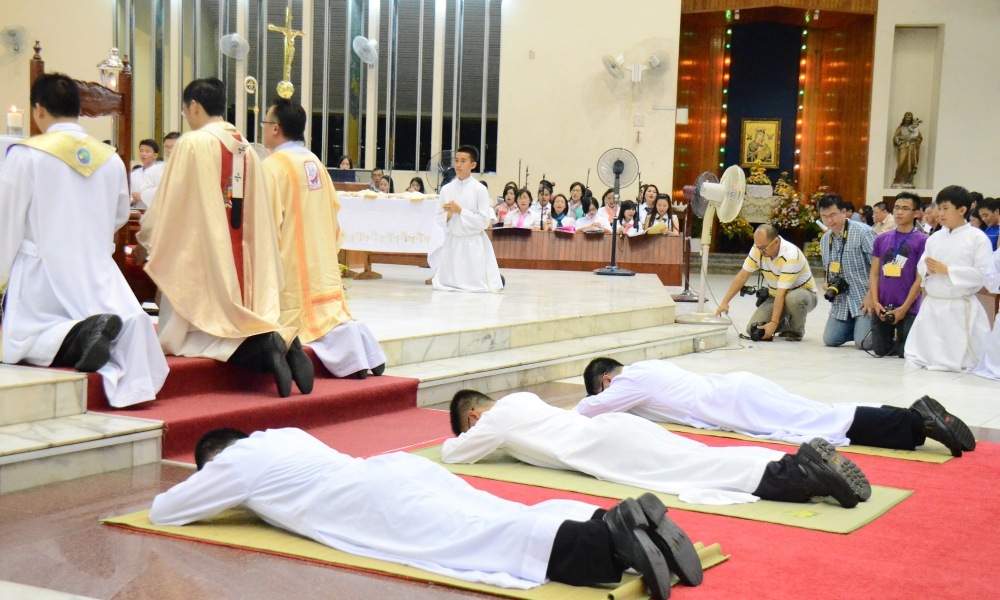
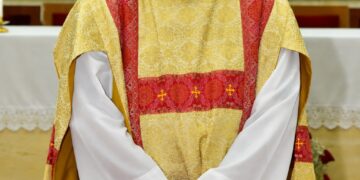
MORE than 300 people, mostly Catholics but also other Christian groups, gathered for a Holy Mass to mark the 890th anniversary of the foundation of Melrose Abbey, one of Scotland’s most famous and historic monasteries.
The ceremony for the centuries-old abbey run by the Cistercian Order was held on the grounds of the ruined abbey on Aug 21, says a press release dated Aug 22.
The congregation included Catholics from across Scotland, clergy from around the United Kingdom with representatives of the Cistercian Order, the Knights of Malta and Knights of St Columba, Christians from other local denominations, as well as local dignitaries including local MP John Lamont.
Catholic parishes of Our Lady and St Andrew (Galashiels), St Cuthbert’s (Melrose) and Our Lady and St Joseph (Selkirk) organized the event, according to the release.
The event drew support from Historic Environment Scotland, a public body responsible for investigating, caring for and promoting Scotland’s historic environment.
Father Benedict Iwatt, parish priest of Our Lady and St Andrew and lead celebrant of the Mass, spoke about the historic significance of the abbey.
“The 890th Anniversary of the foundation of Melrose Abbey by the Cistercian Order is a truly auspicious occasion in the life of the parish of Our Lady and St Andrew. We as a parish know the importance of commemorating this occasion and the historical significance of the foundation of Melrose Abbey in the Christian life of the country and the Borders region,” he said.
“It is also a wonderful opportunity to connect and celebrate with our fellow Christian Churches in the Scottish Borders and beyond. As well as to raise the profile of our parishes to the wider Christian and non-Christian communities in the area,” he added.
The abbey was founded by the Cistercian Order, a Catholic religious order of monks and nuns established in 1098 in France as a stricter reform of Benedictine monasticism.
In 1136, King David I asked Cistercian monks from Rievaulx Abbey in North Yorkshire to found an abbey in Melrose, according to the release. David intended this to be on the site of St Aidan’s earlier monastery at Mailros, suggesting the location was still seen as having religious significance.
The Cistercians, however, needed good farming land within which to place their abbey, and appear to have been successful in their negotiations with the King. The result was the establishment of a monastery a little further west at a place then called Little Fordell. Today this is known as Melrose.
According to the Discover Scotland website, in 1322, Melrose Abbey and the town that had grown up around it were attacked by the English army of Edward II. Much of the abbey was destroyed, and many monks were killed. The subsequent rebuilding was helped greatly by the generosity of Robert the Bruce. This link was later formally recognized when Robert’s embalmed heart, encased in lead, was buried at Melrose Abbey.
The story goes that while Robert the Bruce’s body was buried in Dunfermline Abbey, in line with his wishes, his heart was buried at Melrose Abbey.
According to some sources, it was first taken in a lead casket on a crusade against the Moors.
English armies returned to southern Scotland in 1544 and 1545, this time in support of efforts by Henry VIII to persuade the Scots to betroth the infant Mary Queen of Scots to his son. Melrose and its abbey were both badly damaged. – UCA News