

















By Bob Ho
THE mission of the Church is not merely to care for those in need but to restore the dignity that God has bestowed on every human person.
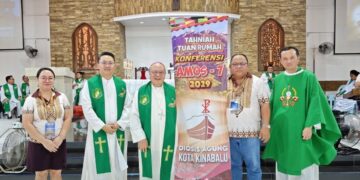
This was the central message of a one-day Integral Human Development formation program organised by Caritas Malaysia for the Archdiocese of Kuala Lumpur.
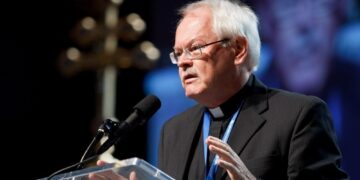
Drawing on Scripture and the Church’s living tradition, Caritas Malaysia national office director Fr Fabian Dicom emphasised that human dignity is not based on wealth, status, achievement, or social standing.
“Dignity is given, not earned,” he said. Referring to Genesis 1:26, where God creates humanity in His image and likeness, Fr Fabian explained that every person possesses an inherent dignity because each reflects the image of God.
“This is why the Church insists that every human life, including the unborn, is sacred,” he said.
Fr Fabian also reflected on the baptism of Jesus in Luke 3:21–22, when the Father’s voice proclaimed, “You are My beloved Son; with You I am well pleased.” Through Baptism, Christians share in that same identity as beloved children of God and are called to participate in Christ’s mission.
He pointed to Jesus’ mission statement in Luke 4:18–19: bringing good news to the poor, freedom to captives, sight to the blind, and liberation to the oppressed.
“Like Jesus, we are called to bring good news, healing, and liberation,” he said. “Faith is not just belief; it is action. We are called to make love visible.”
Fr Fabian also introduced the ten core principles of Catholic Social Teaching, which have been brought into renewed focus through Pope Leo XIV’s encyclical Magnifica Humanitas.
Reflecting on present-day realities in Malaysia, Fr Fabian highlighted the struggles of families facing rising living costs, young people anxious about their future, migrant workers who remain vulnerable despite their contributions, elderly persons experiencing loneliness, and communities affected by floods and environmental degradation.
“These are not isolated stories,” he said. “They are what the Church calls the signs of the times.”
He stressed the need for a Church that remains close to the poor, listens attentively, reads reality seriously, and has the courage to ask difficult questions.
“Malaysia needs a Church that restores dignity and gives people reason to hope again,” he said. “A Church that helps people not only survive but truly flourish.”
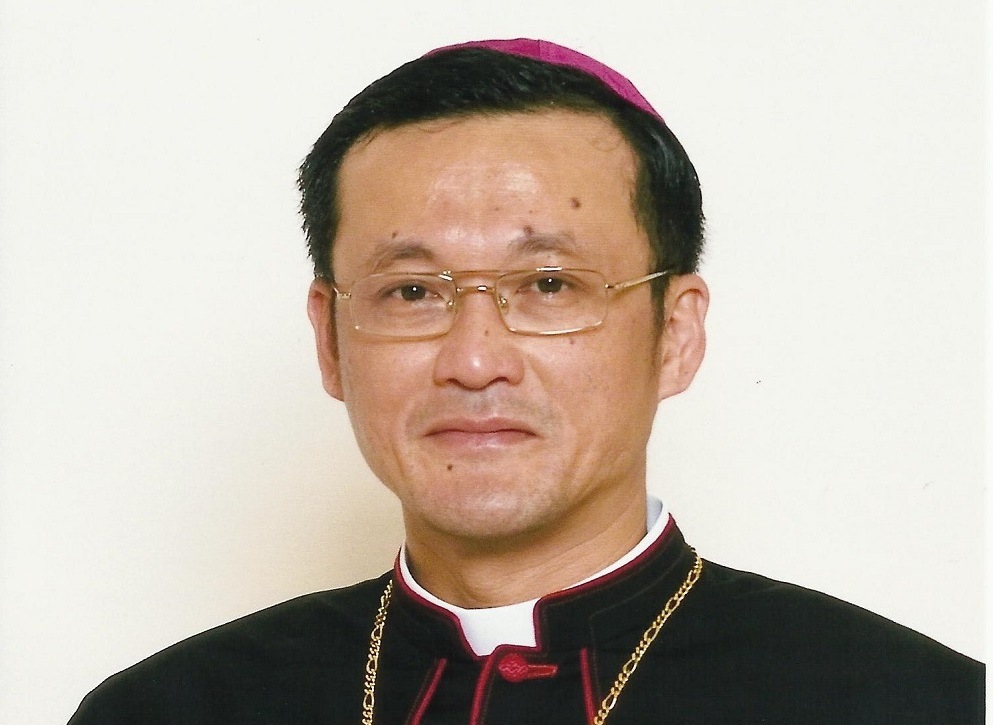
In his closing remarks, Archbishop Julian Leow, summarised Integral Human Development in six simple words: “I am you and we are everyone.”
“It is not ‘they are the poor’ or ‘they are the migrants,’” he said. “We are they. We are the ones who must respond because we are part of the solution — and part of the problem if we do nothing.”
The archbishop added that a prophetic Church cannot remain silent or uninvolved.
“The future of humanity is in each other. To help one another is to help the whole of humanity,” he said.
He also encouraged participants to emulate political scientist Dr Francis Loh, who often “turun padang” to understand first-hand the realities faced by the poor. Earlier in the day, Dr Loh, a Caritas Malaysia board member, shared his insights on poverty in Malaysia.
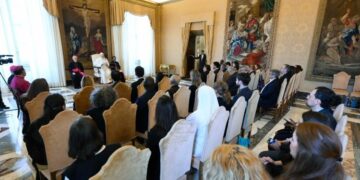
Held at Loyola Hall, Church of St Francis Xavier, the formation program included interactive group reflections and a See-Judge-Act exercise based on real-life cases.
Caritas Malaysia is the official social mission arm of the Catholic Bishops’ Conference of Malaysia, bringing together nine diocesan Caritas and human development offices, religious congregations, and Catholic organisations in service of the poor and vulnerable. – Herald Malaysia