















By Joseph Tek Choon Yee
From mission to local church
Every mission eventually reaches a moment when it stops being merely a mission and becomes home.
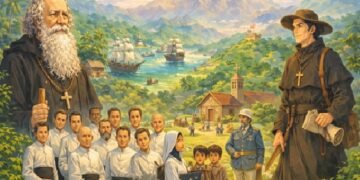
For nearly a century, the Church in North Borneo had been guided largely by missionaries from abroad. They built schools, chapels and communities across rivers and forests. But slowly something deeper was happening.
The faith they brought was no longer visiting. It was settling.
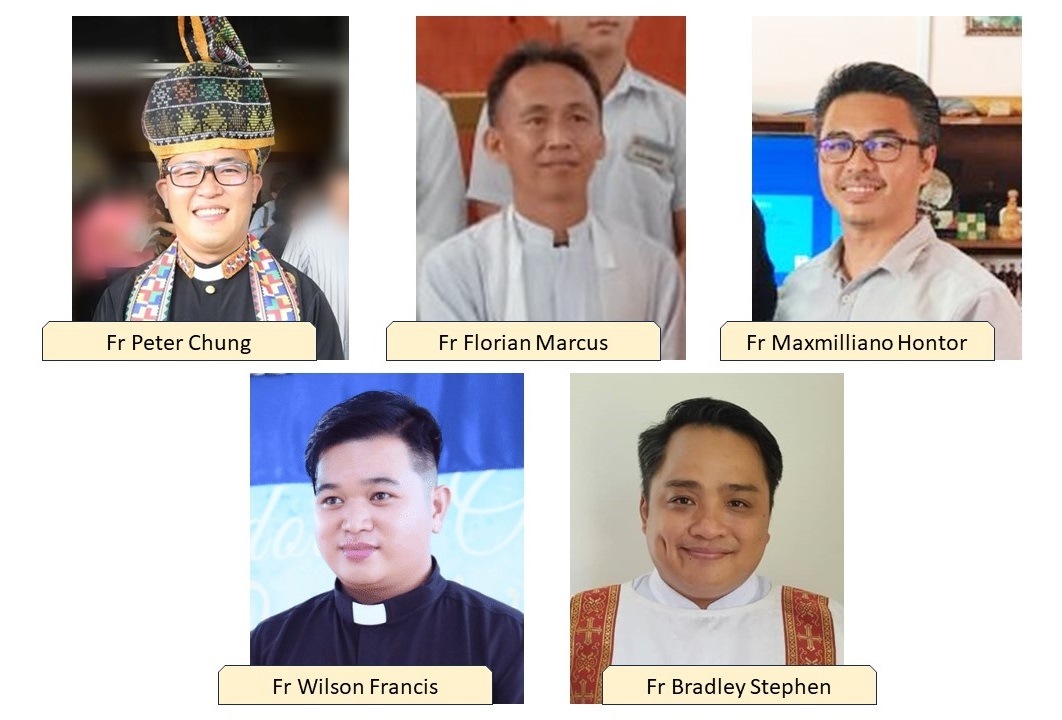
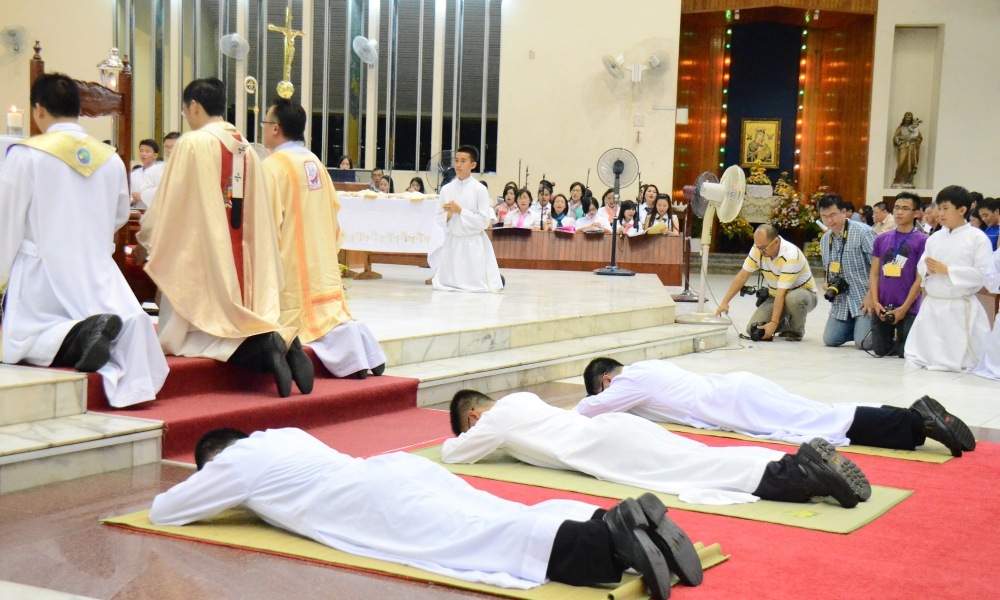
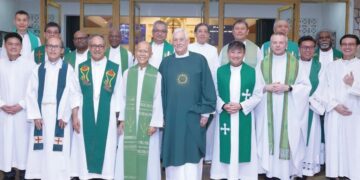
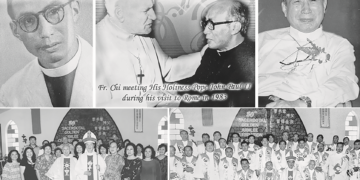
The rise of local vocations marked an important shift. Young men from Sabah answered the call to priesthood. They spoke the languages of the people. They understood village life from within, not from translation. Leadership was gradually becoming local.
At the heart of this growing community stood Sacred Heart Cathedral, its own story mirroring the wider journey of the Church in Sabah. What began as a modest wooden chapel in 1911 gradually grew, through war, rebuilding and perseverance, into the cathedral we know today.
From humble timber beginnings to a major house of worship by 1981, Sacred Heart did more than expand in size. It came to embody the quiet maturing of the Catholic Church in Sabah itself, from fragile mission outpost to rooted local Church, from simple shelter for prayer to a visible centre of faith, memory and belonging.
Milestones of a growing church
Every journey has its milestones, not merely as dates on a timeline, but as signposts of a story moving from fragile beginnings to firmer foundations.
The earliest institutional seed was planted in 1855, when the Apostolic Prefecture of Labuan and Borneo was established. The mission took a decisive turn in 1881 with the arrival of the Mill Hill missionaries.
Key centres of growth emerged in Kuala Abai, Papar and Penampang, where St Michael’s Church became one of the enduring landmarks of early Catholic life.
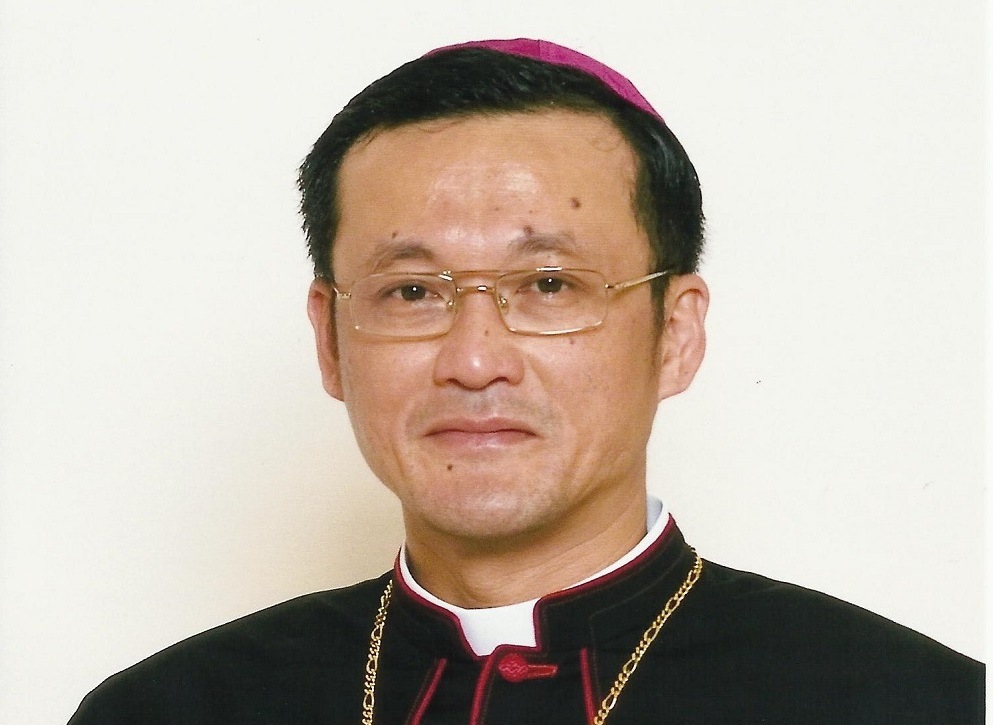
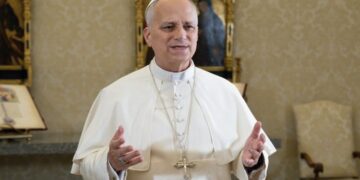
Prelates of the Archdiocese of Kota Kinabalu
As the Church matured, so too did its structure. In 1927, the mission was reconstituted as the Apostolic Prefecture of Northern Borneo. By 1952, it had grown sufficiently to become the Apostolic Vicariate of Jesselton.
A further milestone came in 1976 with the establishment of the Diocese of Kota Kinabalu. Then, in 2008, the journey reached another significant stage when Kota Kinabalu was elevated to an Archdiocese.
Today the Ecclesiastical Province of Kota Kinabalu includes the dioceses of Keningau and Sandakan. From prefecture to vicariate. From diocese to archdiocese. One might say the Church had grown from a small mission boat into a steady fleet.
But milestones are not measured only in titles. They are measured in people. Missionaries who crossed oceans. Religious sisters and brothers who served in classrooms, clinics, convents and missions. Catechists who walked village paths. Families who passed the faith from one generation to the next. Dates tell us when things happened. People tell us why the story endured.
A church carried by the people
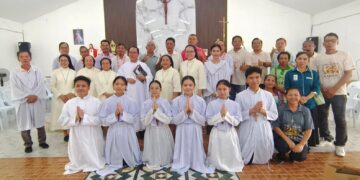
Faith here is not merely formal. It is communal. The Catholic Church in Sabah also reflects the state’s remarkable diversity, Kadazan-Dusun, Chinese, Murut, Bajau, Filipino, Indian and many others, worshipping in different languages yet sharing one faith.
In a world often divided by identity, Sabah quietly offers another possibility: diversity without division. That is no small testimony.
Today the Catholic Church in Sabah stands vibrant and growing. Parishes flourish across towns and villages. New generations continue discovering and deepening their faith.
The Church here did not grow through power. It grew through perseverance, relationships and people. Faith arrived by boat. It travelled rivers. It walked jungle paths. It entered homes.
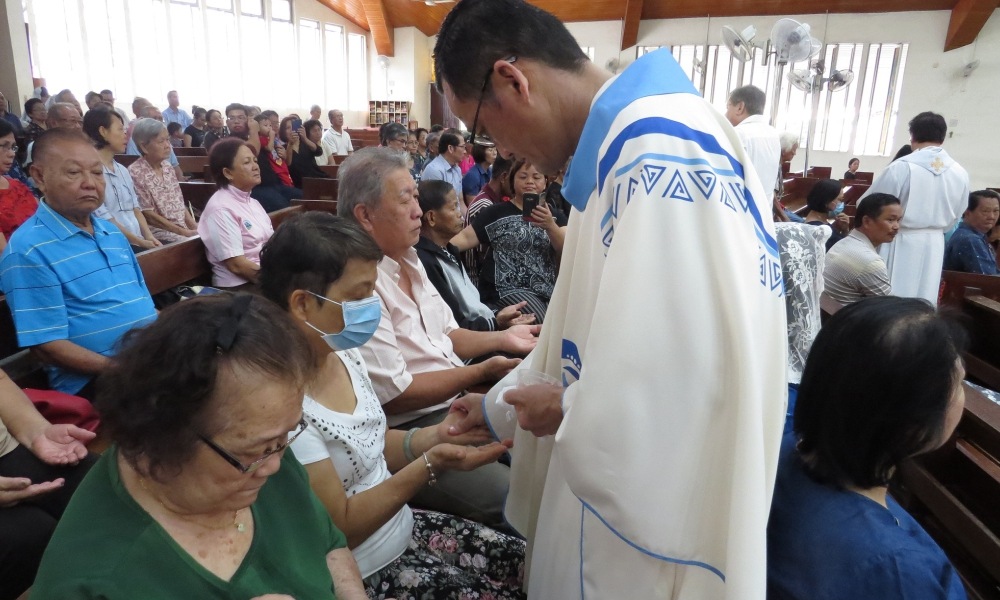
The most powerful witness of that history can still be seen every Sunday: three generations seated together at Mass, grandparents, parents and children. In those pews live the memories of the first missionaries who arrived by boat, the catechists who walked from kampung to kampung, and the villagers who built humble chapels from timber, sweat and hope.
Faith in Sabah was never meant to remain merely an institution. It must be personal. It must live in families. It must grow in communities. It must be loved, not merely listed. For faith here has always travelled the same path as its history, from sea to river, from village to village, andfrom one generation to the next.
The story continues
The pioneers began the journey. The people of Sabah gave it roots.
If the Church in Sabah has flourished, it is not the work of clergy alone, but of faithful people walking together. Parish pastoral agents, councils, commissions and institutions each carry their part in a shared mission. Volunteers animate parish life, in choirs, feast days, outreach and countless quiet acts of service that rarely make headlines but often hold the Church together. Catechists patiently form minds and hearts, while families become the first chapel, where faith is lived, spoken and handed on.
None of this, of course, is ever entirely easy. Wherever people work closely together, interpersonal strains, misunderstandings and differing temperaments will inevitably arise. The Church is not spared the ordinary frictions of the human community. Yet beyond these tensions lies a greater calling, to serve something larger than ourselves, and to remain united in a mission that asks for patience, humility and grace.
It is precisely for this reason that the spirit and reflection of the Diocesan Organisational Pastoral Plan (DOPP) deserve to be revisited, not as a document of the past, but as a living guide. Its deeper aspiration, to move towards a true communion of communities in building the Kingdom of God, remains as relevant as ever.
It is this quiet, collective stewardship, faithful, enduring and often unseen, that has allowed the Church in Sabah not only to grow, but to remain deeply rooted.
Now the task passes to the faithful of today, and to those who will come after us. What was plantedthrough courage, watered through sacrifice, and kept alive through prayer must not be allowed to wither in our hands. Under the same Sabahan tropical sun that once welcomed the first missionary boats to these shores, we are called not merely to remember the story, but to live it.
For faith is never preserved by nostalgia alone. It survives when it is prayed, taught, celebrated, defended and passed on, from altar to home, from village to town, from grandparents to parents to children. If earlier generations built chapels from timber and hope, then our task is to build communities of conviction, compassion and witness. The story is now ours to honour. And the garden is now ours to tend.
Today the Catholic Church in Sabah stands vibrant and growing. Parishes flourish across towns and villages. New generations continue discovering and deepening their faith.