













By Deacon Dr Leslie Petrus
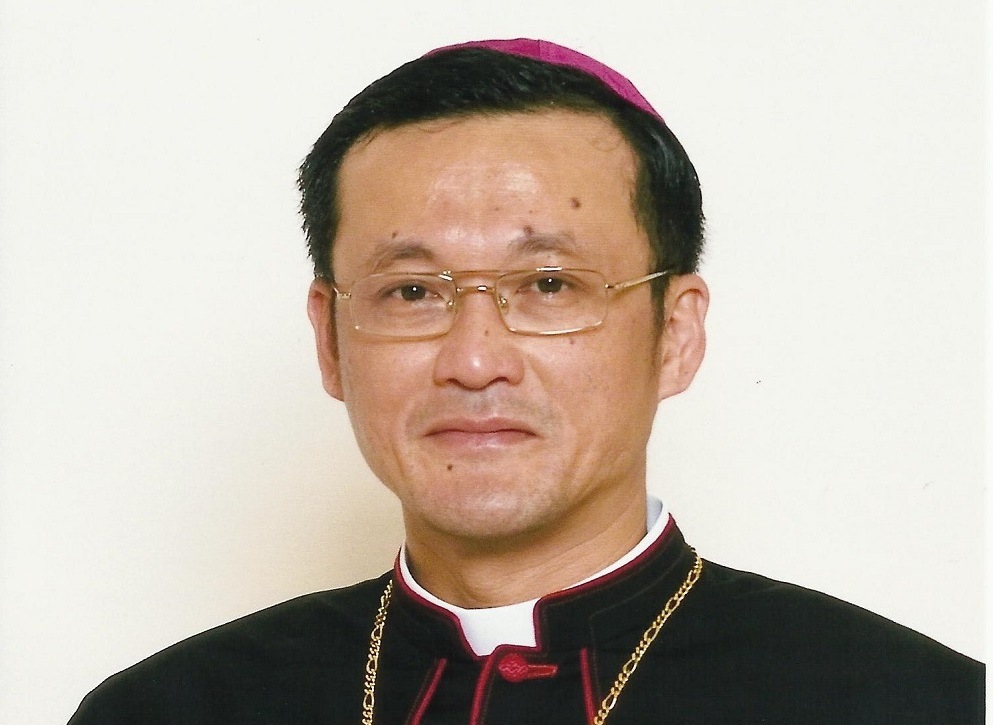
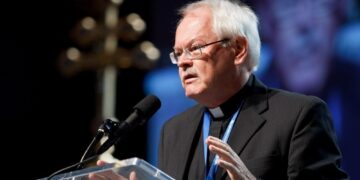
MELAKA – Permanent deacons must bring their ministry of service beyond the sanctuary and into homes, neighbourhoods, workplaces and the lives of those who are easily overlooked, Bishop Bernard Paul told deacons of the Diocese of Malacca Johore.
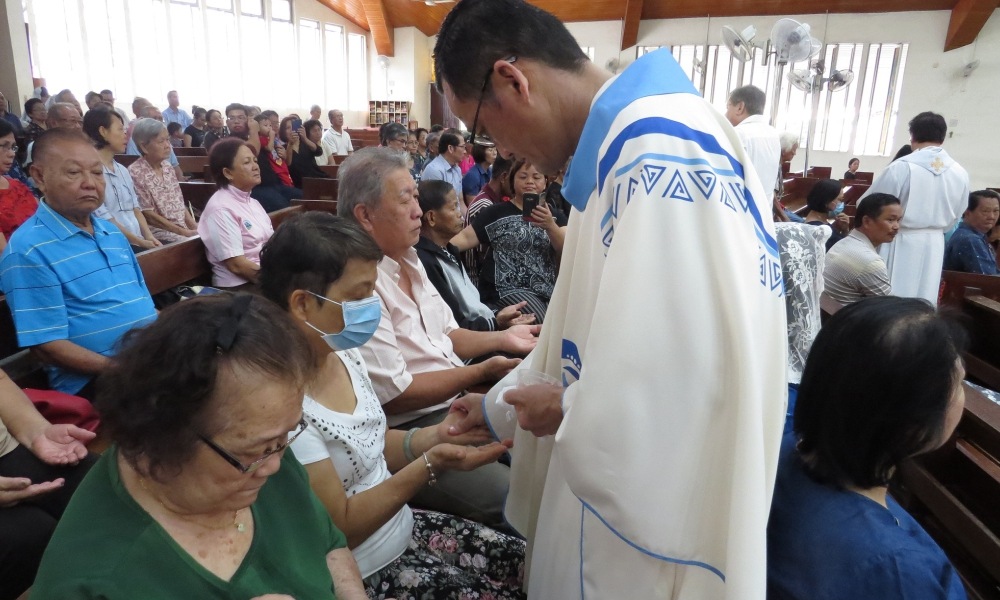
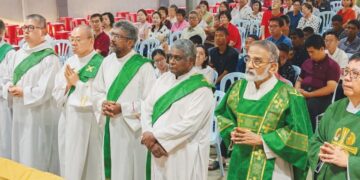
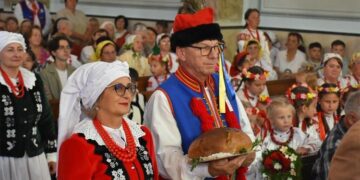
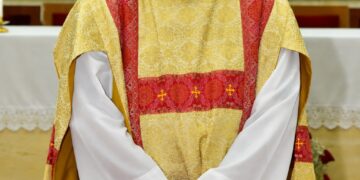
He made the call during the annual renewal of their diaconal promises at the Church of St Mary in Ayer Salak on Aug 23. The married permanent deacons renewed their commitment before the bishop and parishioners gathered for the Sunday Eucharistic celebration in the predominantly Catholic village.
In his homily, Bishop Bernard reflected on the sacraments as encounters through which people enter into the mystery of God and God reveals Himself to them.
Drawing from Peter’s declaration that Jesus is “the Christ, the Son of the living God” (Matthew 16:16), the bishop reminded the deacons that this understanding was not reached through human reasoning alone, but revealed by the Father.
He urged them to remain rooted in their identity as servants modelled upon Christ, explaining that a clear understanding of their identity would also guide them towards their mission.
Bishop Bernard invited the congregation to “come and see” who Jesus is and then follow Him faithfully. God, he said, continues to reveal Himself to those who live each day in faith and obedience.
After the Mass, the deacons attended a study day with Bishop Bernard and Fr Damian Pereira, a canon lawyer serving with the Diocesan Tribunal whose thesis focused on the permanent diaconate.
Fr Damian traced the development of the permanent diaconate from its origins in the apostolic ministry of service, to its restoration and renewed emphasis following the Second Vatican Council. He also referred to conciliar documents including Lumen Gentium, Dei Verbum, Ad Gentes and Christus Dominus.
His second session focused on the obligations of permanent deacons. While many of these responsibilities resemble those of other clergy, married permanent deacons also carry duties towards their wives and children. Those employed in the secular world must likewise live their vocation through simplicity, integrity and high moral standards in the workplace.
Concluding the study day, Bishop Bernard called the deacons back to the foundations of their ministry, particularly their service to people who are poor, vulnerable or forgotten.
He encouraged them to work closely with parish outreach groups such as the Society of St Vincent de Paul and the Parish Office for Human Development, especially in responding to the growing needs of migrants.
The bishop also challenged Basic Ecclesial Communities to develop beyond gatherings centred on Scripture reflection and fellowship by becoming communities of social mission.
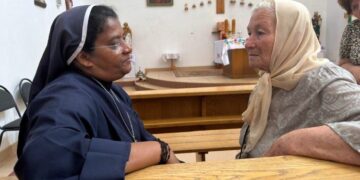
He asked the deacons to help BECs identify elderly and lonely residents within their neighbourhoods and organise practical assistance. This could include home visits, food provisions, house cleaning and involving young people in delivering meals or helping those unable to manage on their own.
Such efforts, he said, would enable BECs to recognise needs within their surroundings and respond as a caring Christian community.
Bishop Bernard also invited the deacons to reflect on the importance of being available to the people they serve. They are called to engage others, equip themselves for present realities and enable communities to take responsibility for mission.
Prayer, however, must remain their first priority. Rooted in prayer, deacons can help organise, empower and form others as disciples who are ready to serve.
He further emphasised that synodality must shape their ministry through attentive listening, shared discernment and walking alongside the people entrusted to their care.
The vocation of a married permanent deacon carries its own distinctive demands. He must nurture his marriage, raise his family and, when employed outside the Church, live out his ordination in the workplace as part of his ministry.
Bishop Bernard expressed his appreciation to the permanent deacons for their contributions to the diocese over the past 15 to 16 years, acknowledging the challenges and limitations they had encountered along the way.
Offering them a final word of encouragement, he said: “My dear deacons, just do your best. You can be more for God.” – Herald Malaysia