

















By Petrus Do
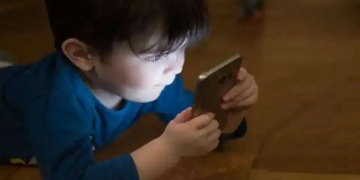
A friend of mine, a schoolteacher, has two children. Her daughter studies medicine and is a source of pride. Her son, who has autism spectrum disorder (ASD), rarely leaves the house.
She often speaks proudly of her daughter but avoids mentioning her son. His behavior seen as “odd” leaves her embarrassed and anxious about others’ judgment. Over time, she has chosen to keep him hidden.
Those around her, aware of the situation, tend to look away. In doing so, they also overlook the boy. Quietly, he is excluded from the community.
She says there are no schools for children with autism or disabilities where she lives, making education and therapy inaccessible.
Her story is not unique. It reflects a deeper social reality in Vietnam, where autism remains widely misunderstood and insufficiently supported, even as the number of diagnosed cases rises.
Vietnam is estimated to have more than one million people with autism, with roughly one in 100 children affected. Yet awareness remains limited. Many parents and even some health workers still see autism as treatable with medication, rather than a neurodevelopmental difference requiring long-term educational and social support.
Stigma fuels a culture of “hiding the child,” causing many to miss the critical window for early intervention.
In reality, autism is not a disease but a form of neurodiversity. Autistic individuals perceive the world differently, and with the right support, those differences can become strengths.
Each year on Apr 2, the world marks World Autism Awareness Day: a time to reflect not only on awareness, but also on acceptance, inclusion and neurodiversity.
The 2026 theme, “Autism and Humanity — Every Life Has Value,” affirms the dignity of autistic people as part of our shared future.
As UN Secretary-General António Guterres noted, autistic people, like anyone else, should be able to shape their own lives and contribute meaningfully to society.
Autistic children are not burdens. They are part of society, with the potential to contribute if given the right opportunities. Yet many still face barriers in awareness, education and policy support.
Early detection and timely, appropriate intervention with close coordination between families and professionals can significantly improve outcomes, enhancing quality of life and reducing long-term burdens.
Experts estimate that more than one million autistic children affect up to eight million family members. As they reach adulthood, many families face an uncertain future, with aging caregivers, rising costs and limited employment prospects.
People on the margins should be empowered to contribute, not pushed aside.
A special education teacher notes that helping autistic children integrate is a long, demanding journey, often requiring hundreds of repetitions and immense patience.
Anthony Nguyen, once an autistic child with severe behavioral challenges, is one example. After early trauma and aggression, he was sent to be cared for by Catholic sisters.
At first, he resisted, refusing to eat or study, even throwing objects. But through patient care and affection, he gradually improved.
Now 12, he can communicate, behaves respectfully, enjoys learning and was baptized last year, a testament to the power of sustained support.
According to the Ministry of Education, most teachers lack formal training in special education; only about 35 percent have received short-term instruction in inclusive teaching.
Vietnam has no public schools dedicated to autistic children. Private centers exist, but costs are high.
It is time for meaningful collaboration between the state and the private sector. The government should establish a clear policy framework, standardize diagnosis and subsidize services, while partnering with private providers to expand quality care.
Only when the burden is shared can specialized schools move beyond isolated “islands” and become part of the national social welfare system.
Art can also play a vital role, helping autistic children express themselves while reshaping public perception. Through art, society can begin to see them as individuals with rich inner worlds, not medical cases.
When people are moved by their creations, stigma fades not through slogans, but through empathy.
With proper support and career guidance, autistic individuals can work, create and build independent lives.
Education should not be a race for achievements or a display of scores. A performance-driven system risks producing capable but unempathetic individuals.
We must learn to see children through their own eyes, not through adult expectations. Social pressure and the need to display success often turn children into symbols of family status. For autistic children, comparison is especially harmful.
Policies and models will remain hollow without genuine intent. In an era of eroding trust, true change requires a moral commitment to human dignity, not recognition or gain.
Only by understanding our strengths and limits can we set aside ego and work toward the common good. Without sincerity in education and policy, Vietnam will struggle to nurture the potential of every child.
Respect for difference is a measure of civilization.
One autistic child may seem like a private matter. But one million represents a national resource.
When human dignity is seen not as private property but as a shared responsibility, every child can live with dignity.
A society succeeds not by eliminating differences, but by embracing them: ensuring the most vulnerable are protected and accepted.
*The views expressed in this article are those of the author and do not necessarily reflect the official editorial position of UCA News.