













By Ruben C Mendoza
Recently, I had the chance to talk to a religious priest who had spent more than five decades serving poor communities. Among other things, I was surprised when he shared that it was so easy to get spoiled and be selfish as a religious priest, especially given the clericalist mindset of many of the laity and even the clergymen themselves.
He told me that perhaps the reason why he was still alive was that God wasn’t done with him yet, considering his frailties and all the mistakes he had made in the past. He jokingly said that his retirement was his “purgatory.”
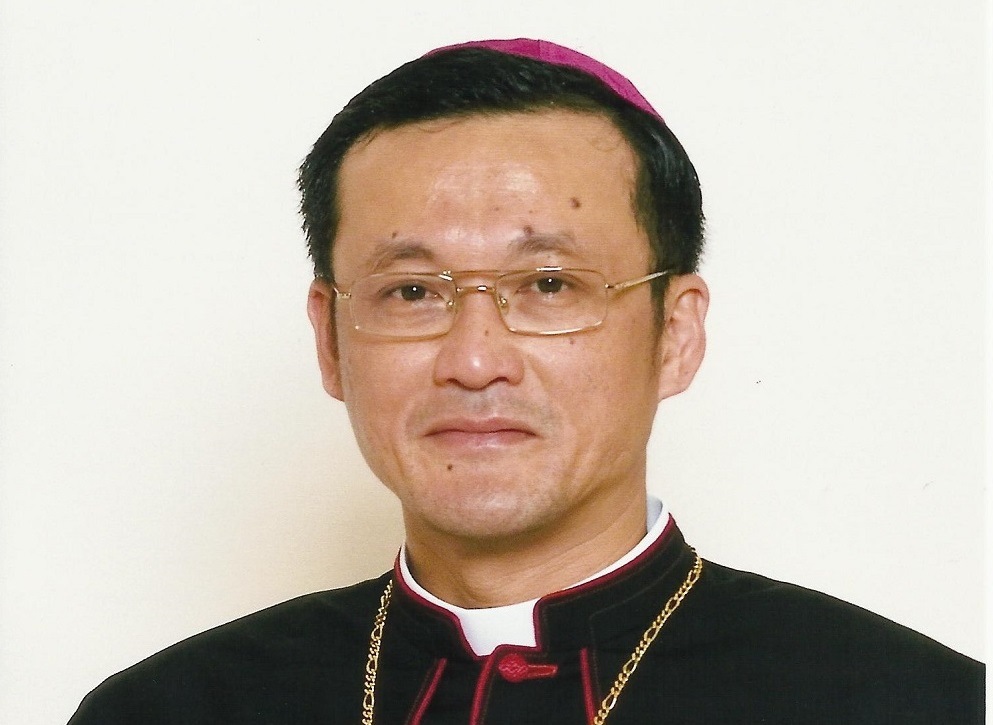
That got me thinking about the kind of ordained ministers, especially bishops, we need in the Philippines. At present, there are eight sedes vacantes in the country, local churches that don’t have a bishop.
The Apostolic Vicariate of Jolo, for instance, has had no bishop since Sep 2025. I can only surmise that Rome is exercising due diligence in appointing the next bishops of those vacant sees.
If I were to be consulted by Rome and asked what kind of bishop is needed in the Philippines, I would suggest that he should have three qualities.
First, the Church needs a bishop who has a genuine love for the poor. He does not simply stay in his air-conditioned office and convent attending to the administrative affairs of his diocese but goes out of his way to visit and talk to the poor and get to know them.
He would regard those encounters as privileged and grace-filled moments of discovering Christ in his suffering people. His circle of friends is not primarily the Church’s benefactors (which in the Philippine context, includes politicians and the economic elite) but the poor, to whom, using the words of the Second Plenary Council of the Philippines, he gives “preferential time and attention” (PCP II, 129).
He immerses himself in their lives and, in so doing, he becomes a man of the people, with ears to the ground, listening to the promptings of the Spirit, in the lived realities of the people he serves. He makes sure that there will be a seat at the table, so to speak, for the poor in all their faces. In this way, they will “be shepherds with ‘the smell of the sheep’” (Pope Francis).
Second, a bishop needs to be prophetic, a servant-leader who denounces situations and structures of injustice and oppression, wherever they are found, and discerns and proclaims God’s will and promises in our broken world.
We should not have a bishop who cozies up to the political and economic elite but neglects the little ones of the Church. Of course, he should maintain a healthy relationship with the powerful.
After all, Jesus’ own ministry was one of inclusion. While he saw it as his mission to proclaim the Good News to the poor (Lk 4:16-21), he invited all to be part of the Kingdom. For instance, Nicodemus, a member of the Sanhedrin, was his disciple (see Jn 7:50).
Having a positive relationship, however, does not mean being silent in the face of abuse. A bishop needs to have the courage to call out the powerful when necessary and challenge them to use their power and privilege for the common good.
He needs to be like Jesus, who challenged the rich young man to go and sell what he has, give the proceeds to the poor and follow him (Mt 19:21), who told people to give to Caesar what is Caesar’s and to God what is God’s (Mt 22:21), and who, in the face of persecution, said, “If I have spoken wrongly, testify to the wrong. But if I have spoken rightly, why do you strike me?” (NRSVUE, Jn 19:23).
We need a bishop who has taken to heart the words of Justice in the World, “Action on behalf of justice and participation in the transformation of the world fully appear to us as a constitutive dimension of the preaching of the Gospel, or, in other words, of the Church’s mission for the redemption of the human race and its liberation from every oppressive situation” (6).
And third, a bishop needs to foster a synodality. At the heart of it is the openness and the ability to listen to other people, even if they have perspectives and ideas different from one’s own, and seek God’s will in the conflicts and messiness of life.
He has to be consultative in his governance, not simply deciding things on his own, but always engaging in dialogue with stakeholders who are affected by the issue at hand. He needs to have the ability to have difficult conversations with others, particularly with regard to hot-button issues.
As a bishop, he accompanies his church as they discern individually and communally where God is leading them in building the Kingdom. He also fosters the participation of the baptized, recognizing their charisms, and harnessing and using them for the building up of the Church and the good of society.
When we have a bishop who truly loves the poor, exercises his prophetic ministry and practices synodality, then we will have pastors who tend the sheep and feed the lambs, the flock that Jesus has entrusted to them (see Jn 21:15-19). When that happens, we will already be on the way to renewing the Church for the sake of the Kingdom. – UCA News
*The views expressed in this article are those of the author and do not necessarily reflect the official editorial position of UCA News.