




























By Sumon Corraya
Bangladesh’s 1,200 women religious are growing older after decades of service, leaving congregations struggling with rising healthcare costs and limited medical resources while ensuring elderly sisters live with dignity.
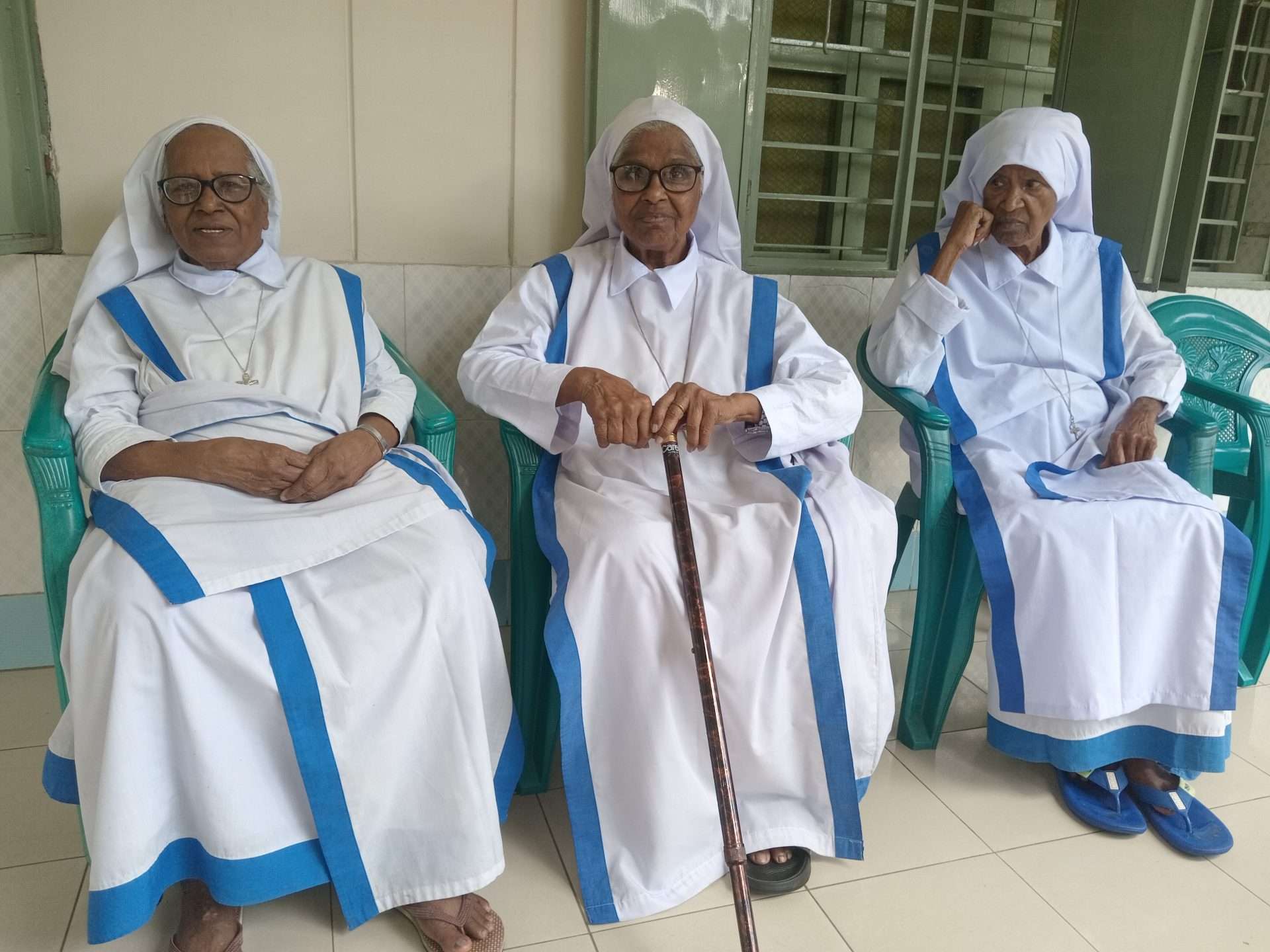
On the grounds of St Mary’s Convent in Toomilia, north of Dhaka, 18 retired sisters spend their days in prayer, community life and quiet reflection. For Sr Mary Minoti, superior of the convent, ensuring that they receive proper medical care has become one of the congregation’s greatest concerns.
“We sisters no longer receive foreign grants,” she told The Tablet. “We run schools, dispensaries and handicraft centres, and each community saves money to cover the medical expenses of our elderly sisters. Today, medical costs exceed what we spend on food and other necessities. Finding funds for healthcare has become a major source of anxiety.”
Sr Minoti belongs to the Mary Queen of the Apostles congregation (SMRA), a local Bangladeshi community, with more than 200 sisters dedicated to education, healthcare, evangelization, and women’s empowerment. The convent also houses Shanti Bhabon, a residence for elderly sisters. Like many religious congregations in Bangladesh, the community is experiencing the reality of an aging membership.
A growing share of the congregation’s income is spent on treating elderly and seriously ill sisters. Although the sisters cannot afford Dhaka’s most expensive private hospitals, they carefully research where skilled doctors and nurses are available before arranging treatment.
“We strive with all our heart to meet the medical needs and other requirements of our sick and elderly sisters,” Sr Minoti said.
The challenge is becoming more urgent. Around 20 sisters in the congregation are already over the age of 60, and the number is expected to rise steadily in the coming years. Similar concerns are heard across the Church in Bangladesh.
Dipti Jacinta Murmu of the Catechist Sisters of the Immaculate Heart of Mary, Queen of Angels, a local religious order commonly known as the Shanti Rani Sisters, with around 175 nuns, helps care for seven elderly sisters in her congregation. Based in the Diocese of Dinajpur, she said the community, which serves in dioceses across the country, is increasingly constrained by the demands of caring for aging members.
“Bishops invite us to open new communities, but because our sisters are aging and many are becoming ill, we cannot even think about expanding,” she said. “Many of our sisters suffer from diabetes.”
“Five sisters in our congregation are currently undergoing treatment for cancer,” she said. “The treatment is extremely expensive, and our expenses already exceed our income. Yet we continue to arrange medical care for them.”
While she expects healthcare costs to grow significantly over the next five years, Murmu insists that the sisters remain committed to caring for one another.
“We never allow any of our sisters to die without medical treatment,” she said. “We arrange care from our own resources and, when necessary, with the help of generous people.”
International congregations generally have stronger financial support, enabling them to access better hospitals. Yet even they acknowledge the pressures ahead as the number of elderly sisters rises.
The issue comes into particular focus on the International Day of Older Persons, observed on Oct 1. Across Bangladesh, communities of women religious marked the day with special prayers and gestures of gratitude for older sisters whose lives were devoted to schools, hospitals, pastoral ministry and evangelisation. – The Tablet